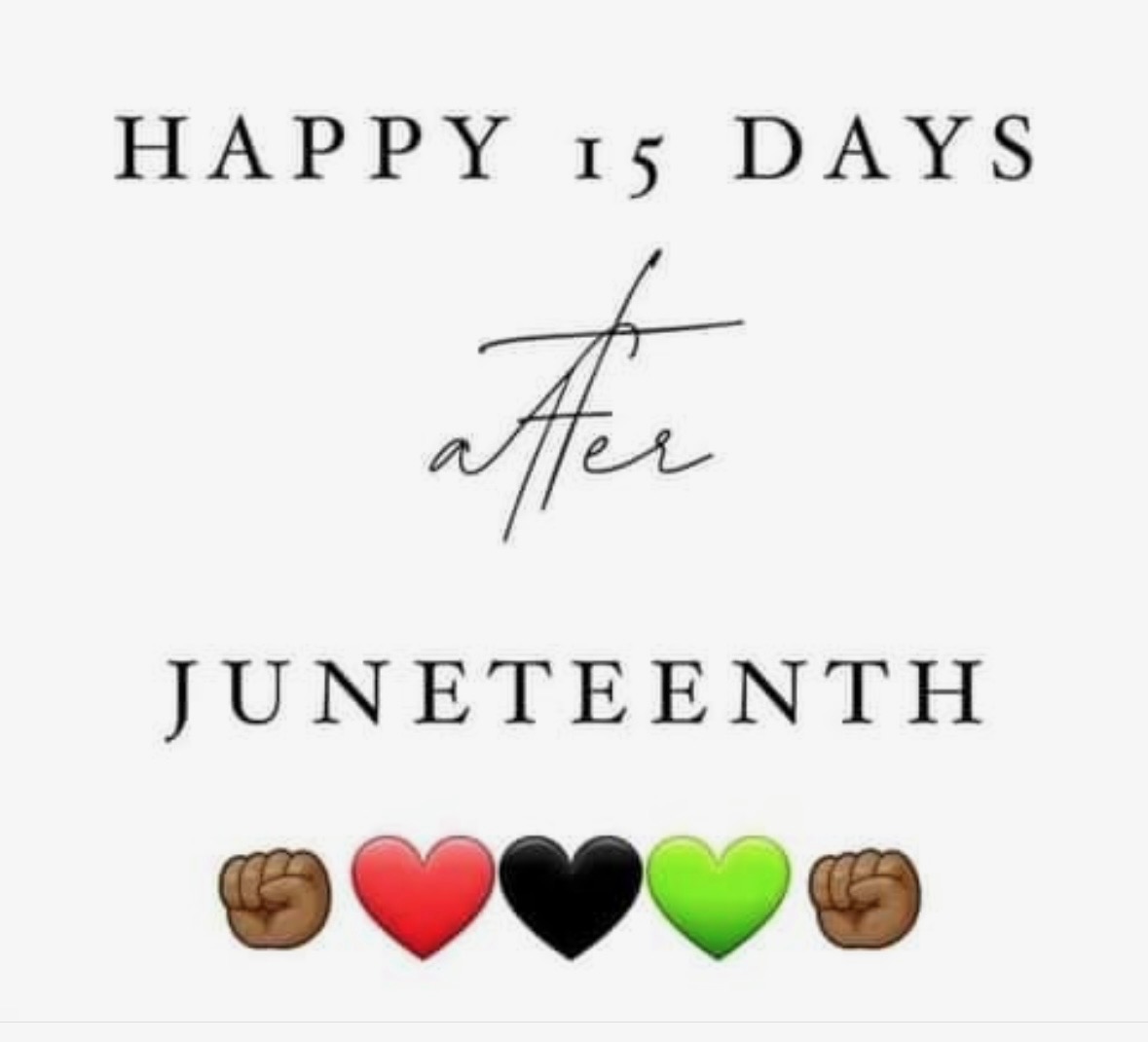
A friend of mine posted on Facebook, ‘Happy 15 Days after Juneteenth”. Should freedom really be a matter of perspective?
Can we really be a free country if some can feel comfortable driving with a police car behind them while others are afraid for their lives? Are our liberties truly intact if we allow some parents to decide what books should be available to all children in libraries? How can someone feel free if they don’t feel seen, safe, and in pursuit of happiness?
While we’re celebrating our freedoms this weekend, let’s not forgot freedom of the press. Maybe we’re not hearing quite as much about book bans because most jurisdictions have already passed legislation that allows right wing activists to limit what books young people in their communities can access. But, books are still being challenged under these laws. This year, titles from Monday’s Not Coming by Tiffany Jackson, I Am Billie Jean King by Brad Meltzer, to What on Earth is a Pangolin? By Edward Riccluti have been challenged in this country.
Attend your next local school board meeting and take a friend.
With elections in the US only a few months away, it’s important to keep up with what new laws might be on ballots, and how individuals on your state and local ballots support intellectual freedom. Those who wish to suppress this right are working to maintain system oppression of marginalized people. If you don’t hear my story, if you don’t hear my voice, I can’t really matter to you.
Here’s are you can keep informed.
- NPR’s Code Switch podcast has started a new series that explores issues connected to book bans. Their first episode with Mike Curato, author of Flamer, is informative and touching.
- Kelly Jensen at Book Riotoffers the most comprehensive coverage of book banning out there.
- United Against Book Bans delivers tools, news, and data to fight against bans. They are currently asking everyone to join them by pledging to be a freedom to read voter.
Don’t just sit back and think this will go away. Book bans are growing across the globe along with far right extremism. Books are being more frequently in Canada (gender identity and sexual orientation); the United Kingdom (imperialism, race, and LGBTQIA+); Brazil (race, gender, sexual orientation) and Turkey (books deemed “obscene”).
Borrow 2-3 books written or illustrated by minoritized authors from your local library and be seen reading them. Carry them with you, post them on your socials and place them on your work desk.
Most people in the US indicate they don’t support book bans. In 2022, the American Library Association conducted a poll that indicated that a majority of voters in all major parties do not support removing books from libraries. In fact the Washington Post reported that 11 people –that’s eleven individuals—were behind 60% of to 2021-22 challenges.
Write a letter in support of your local school or public librarian.
But, as we sit back and think that children’s books just don’t matter, we’re letting that same message be sent to most of our children: that they don’t matter, either.
 Cotton Quilts Edi