
The CCBC-University of Wisconsin-Madison recently released their 2022 diversity stats. Along with the stats, they’ve provided information on the history of the annual statistics, explanations of how they conduct their work, and graphics. I’ll be more interested in the annual stats over the next 2-3 years when I’ll be watching to see if publishers print fewer books by/about marginalized people like they did in the 1980s after challenges and bans rose to then record numbers. Big difference now is that the US is browning. There’s a real shift in political and economic power and the capitalists who manufacture stories are quite aware of what they need to do to stay in business.
Those same capitalists also know that books exist to create the consumers oops! I meant citizens of tomorrow. Books formulate their values, justify ways of being, and model ways of self-expression. So, what really caught my eye this year were the graphics.

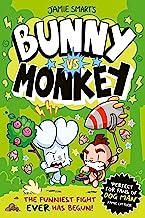
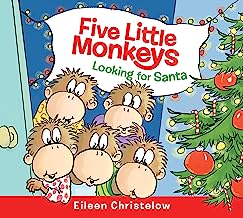
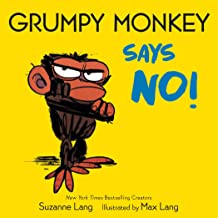
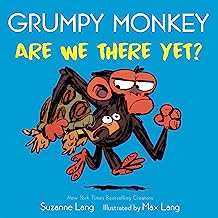
Notice that there are still more books about whites and animals than about all marginalized people combined.
From what do these animals result? Are they still being used metaphorically to represent races, nationalities and cultures, gender identities, or sexual orientations? Or is post-humanism driving conceptualizations in picture books? Is post humanism building on old tropes and stereotypes; are they still founded on the hierarchies of species? Are they separating human from non-human animals? In Animality and Children’s Literature and Film Amy Ratelle suggests that young children are expected to identify with animals in picture books and to become civilized through the lessons mediated through the text. In the most recent issue of Horn Book, JooHee Yoon writes about chilldren’s illustrator Roger Duvoisin who simply enjoyed creating images of animals. Perhaps this allowed him to play with color more than images of humans? While these theories rationalize what exists, we still have to be aware of the reality of what children see and learn.
We need to talk about these animals and figure out how young minds are being positioned.
 Cotton Quilts Edi